
Is It Bad Luck to Gift Shoes? An Honest Answer
4 August 2026 · 6 min read
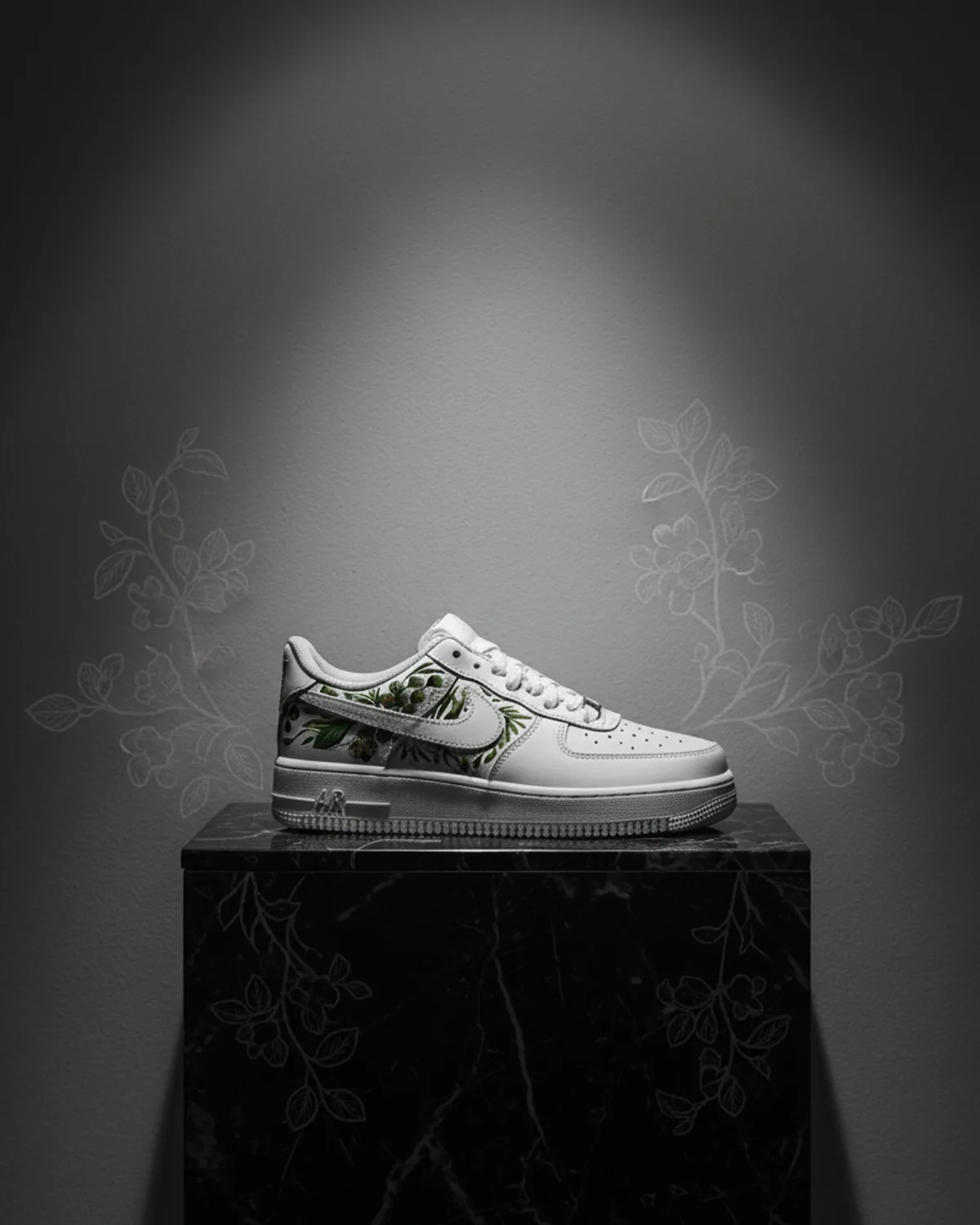
Somewhere between choosing a design and settling on a size, a question can surface that has nothing to do with either. Is it bad luck to give someone shoes? Maybe a mother said it, or an aunt, or a friend mentioned it in passing and it lodged. Maybe you have held the belief your whole life and only remembered it with a shoebox in view. It is a genuine hesitation and it deserves a genuine answer rather than a sales pitch, so here is ours, including the part where the answer is no.
The belief itself is simple, which is why it travels so well. Shoes are made for walking, so a gift of shoes is read as sending the person away. Give a pair to someone you love and you have handed them the means to walk out of your life. It is held in parts of South Asia and widely across Chinese communities, and it is considered strongest between romantic partners, which is precisely the pair of people most likely to be buying each other something this considered.
It has two roots and they are worth separating. The first is language. In Mandarin the word for shoe, xie, sounds like the word for evil, and Chinese gift customs take homophones seriously enough that clocks are avoided for a related reason. In Cantonese the word carries an association with roughness, with a hard time ahead. When a word sounds like a bad thing, the object it names begins to feel like a bad thing to hand over, and centuries of that is hard to argue with.
The second root is the plain logic of the object, and in South Asia it is reinforced by everything else footwear already means. Shoes stay outside. They come off at the threshold, at the mosque, at the temple. Showing someone the sole is an insult, and the shoe is the standard prop of an insult. In a culture where an object sits that firmly at the bottom of the hierarchy, wrapping one and presenting it is not a neutral act. The superstition is not silly. It is consistent with everything else the object is asked to carry.
Which is why the workaround exists, and it is the most useful thing in this article. The recipient hands back a coin, a note, any small amount at all. The exchange converts the gift into a purchase, so nothing has been given and nobody is being sent anywhere. Europe has the same instinct about gifted knives, where a penny comes back so the blade does not cut the friendship. It costs one second and whatever is in a pocket, and for a great many people it settles the matter entirely.
Be honest about how widely this is held, in both directions. Some people believe it, including people who would describe themselves as not remotely superstitious right up until a shoebox is in front of them. Others have never heard of it, or have heard of it and find it charming rather than binding, or treat omens as folk custom with no religious weight and say so firmly. You cannot read the answer off someone's nationality, age or education, which is the only reason this piece cannot end in a clean yes or no.
It is also worth noticing that shoes are not treated as unlucky objects across the board here. At Pakistani and Indian weddings, joota chupai is an entire ritual: the bride's sisters and cousins take the groom's shoes during the ceremony and negotiate a ransom for their return, and the whole hall enjoys the negotiation. Footwear sits in the middle of the happiest day in a family's calendar, treated as valuable, worth money, worth a game. Whatever the superstition is, it is not a blanket conviction that shoes are cursed.
Now the part where we have an interest, stated plainly so you can weigh it accordingly. We have written elsewhere about commissioning a pair as a gift, so this is the short version. A pair bought off a shelf is a product selected for somebody. A commissioned pair is made after a conversation about that specific person: what they love, the motifs that mean something to them, a name, a date, a character, a memory only two people share. It is painted freehand by one artist, and no design is repeated, so the finished object exists once. That is nearer to a portrait with laces in it than to footwear.
None of which dissolves the superstition for a person who holds it. Symbols do not respond to argument. If your person believes that shoes mean leaving, then a hand painted pair is still a pair of shoes on the day, and the moment you were hoping for gets spent watching them manage a feeling they did not ask to have. Do not plan a gift around converting somebody. That is a bet placed with their reaction rather than your own.
So, practically. If you know they do not hold the belief, there is nothing here to solve and you can stop reading. If you are unsure, ask someone who would know, a sibling or a close friend, before you ask us anything. Or hand the coin custom over yourself along with the box, lightly, because offering it first reads as respect for what they believe rather than fear of it. And if you know they hold it seriously, choose something else, choose it without regret, and let the pair be somebody else's idea.
A gift should arrive without a caveat attached. If shoes cannot do that for your person, then this time the answer is not shoes.
Ready to Start Your Own?